


Categories
Tags
Co-authors
- Previously in Spies Like Us -
The office emptied around him in stages.
One analyst left with a muttered goodnight, a finance manager collected a coat from the back of a chair, and the cleaning staff arrived shortly after, moving through the corridors with carts and headphones and complete indifference to whatever crimes the charity had buried beneath its paperwork.
By the time Sherrinford left the building, Peter Graham had ceased to exist for the day.
The tie came off before he reached the hotel, his jacket somewhere between the lift and his room, and twenty minutes later he was back outside, trainers striking pavement in a steady rhythm as he cut through Brighton's evening streets. Cold air scraped at his throat and he pushed harder.
The investigation occupied the first stretch. The donor trail that doubled back on itself, the shell organizations nested inside legitimate ones like a matryoshka someone had reassembled in the wrong order. His mind followed the transfer routes automatically, the way it always did when the rest of him needed somewhere to go. Names surfaced, timelines arranged, and the accounts division had a gap in the quarterly reconciliation that nobody had flagged, which meant either nobody had noticed or someone had made sure they wouldn't. Problems could be solved. Systems could be broken. Evidence existed.
@Lucas arrived in his mind somewhere between a shuttered newsagent and a pub with a cracked window board, not as a thought so much as a gap where a thought should have been.
He'd had enough clearance to see Sherrinford's logs and enough authority to escalate it. The report would've gone to Pearce, maybe higher, and that would've been the procedurally correct outcome — clean, documented, career-ending in all the boring inevitable ways. Instead he'd drawn a line through it. No interrogation, no careful phrasing, no demand for context.
Wind rolled in off the Channel hard enough to cut through his shirt as Sherrinford kept moving. Past a letting agency with its listings taped to the inside of the glass, past a cash machine blinking amber at an empty pavement, past a side street where two restaurant workers stood smoking in silence without looking up. He noticed the positions of the CCTV brackets without meaning to, the coverage gap between the takeaway and the loading bay behind it. His mind filed it and kept moving, the way it always did, whether he wanted it to or not.
Lucas hadn't asked.
He turned toward the seafront and pushed his pace until his lungs gave him something more immediate to focus on. The promenade opened wide ahead and below the rail he could hear the sea before he could properly see it, waves breaking against rock in a rhythm that had nothing to do with him and owed nothing to resolution.

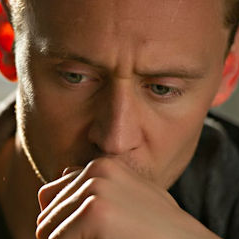
He slowed, not because he wanted to, and his hands found the rail. Cold metal, paint blistering at the edges with rust starting underneath. He gripped it and looked out at water he couldn't see the end of, while somewhere further out a buoy lamp blinked at irregular intervals and the wind moved through his hair and kept going south, indifferent.
The fact of it was still sitting in exactly the same place it had been when he'd left the office. Lucas had known enough to understand it was personal, had found the fork in the access logs and understood what it meant and made a decision without asking what he was looking for. Without knowing about Afghanistan, or the two years, or what adapting had cost, or what Sherrinford had been doing inside those files, or why he'd needed so badly to believe that someone had set him up rather than simply failed to care whether he lived.
Lucas had protected all of that without knowing what it was.
Sherrinford's grip tightened on the rail and the rust grit shifted under his fingers. He didn't know what to do with that, didn't know how to sit inside it without it pulling at something he'd spent considerable effort keeping sealed. The question wasn't whether Lucas had made the right call. It was what it meant that he'd made any call at all, and what would happen to it when the rest of the picture came out.
Sherrinford stood, watching the buoy blink again further out, swallowed almost entirely by the dark. It felt symbolic or perhaps it was mocking him.