


Categories
Tags
Co-authors
Spring, 409 CE | Fortress above the Morava River, Dardania (map)
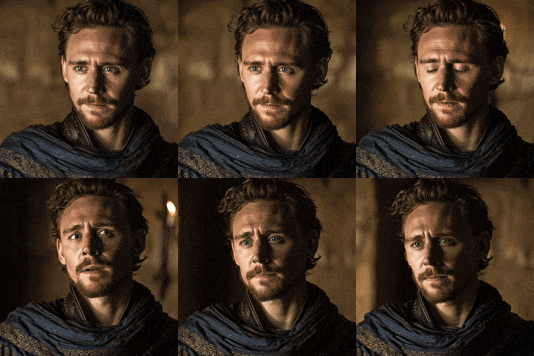
The ink bled faster than it should have. The mountain air was damp enough to ruin vellum, but there was no time to wait for clear weather. Leontios shifted the tablet closer to the brazier until the lines dried in a faint sheen: arches, siphon valves, counterweights, each stroke drawn from memory rather than reference. What remained of the imperial manuals had molded years ago in some clerk’s cellar. Rome could no longer send engineers; it sent rumors and requisitions instead.
He flexed his hand to ease the cramp. The joints had stiffened since winter, the knuckles scarred from too much work and too few baths. Below his window, the yard seethed with noise. Iron struck iron. Wet sand hissed as it met the fire trenches. He listened for rhythm, not meaning. A camp that kept rhythm still believed in order.
A shout cut through the din. “Master Katakalon! The resin’s boiling over!”
He set the stylus down and stood out beneath the awning. His limp was slight tonight, only the cold and fatigue made it notable, though the ache always remained. Rain drummed on the tiles, a steady percussion that blurred speech into pulse. The men stood around the largest cauldron, steam wreathing their faces in ghostly halos. The pitch within frothed like an angry sea.
Leontios leaned over the rim. “You fed it wet resin,” he said. “It hisses before it burns. Feed it slow, or you’ll drown your own fire.”
Blank looks. He tapped the wooden rim with the end of his staff. “Again. Dry chips this time. Let the flame breathe.”
They obeyed, wary, as though he conjured spells instead of balance. The Fire-Magus, they called him when they thought he couldn’t hear. The name no longer stung. Let them think the smoke sacred if it kept them from panic when the siphons roared to life.
He moved among them, correcting angles, tightening a rope here, checking a valve there. His cloak dragged through mud streaked with soot; he would smell of pitch for days. Still, the pattern held. The hiss and flare, the low chanting of men measuring breath to labor. For a moment, it almost sounded like the empire remembered how to build.
“Sir,” said a voice at his shoulder, thin and hesitant. “Couriers from Naissus passed at dawn. They spoke of a legion moving east. A general’s banner.”
Leontios did not look up. “Whose?”
“They didn’t say. Only that he marches with Gothic auxiliaries. A week’s march away, maybe more. They’ve been seen near the Struma road.”
He smiled without humor. “Then we’ve time enough to finish the bridge before he decides what he’s fighting for.”
The boy didn’t laugh. No one laughed much these days. He gestured dismissal and watched the messenger retreat toward the barracks, boots squelching in the mire. The rumor would spread anyway; every rumor did. Some commander from the west, another self-appointed savior of Rome’s ideals. They arrived, they requisitioned, they bled the land dry, and they vanished again. The Morava swallowed them all eventually.
He turned back toward the bridge. The arches gleamed slick with rain, half shrouded in mist. When he’d first drawn its design, he’d written a note in the margin: To keep the world aligned, if only for a while. Now he wasn’t sure which would fail first, the stone or the world.
Inside the forge-room, the air was thick with smoke and the iron tang of filings. He set aside the cloak, rolled up his sleeves, and bent to a new length of brass tubing. The rasp grated steady against metal; sparks leapt and died in miniature constellations. Work demanded obedience of thought. It was the only kind left that did not betray him.
Each pull of the rasp recalled another rhythm, hoofbeats, measured and heavy, the cadence of a Roman column moving through Thessalonica when he was barely twenty. He could still hear the officer’s voice over the rain that day, calm and certain:
“You build like a man who believes stone can make the world behave.”
He had looked up, startled, caught between pride and awe. The man’s eyes had been the color of old bronze, unreadable but kind. For a few brief weeks they had worked under the same banner, two fragments of order in a world already cracking. A conversation had almost become confession. The legion had stayed in the garrison for a few weeks. Their paths had crossed more often than change would predict. Leontios began to look forward to their encounters. Then orders came from Ravenna, and the man was gone. Leontios had built a bridge there too, though not the kind that survived war.
He pressed harder on the tool until the memory dulled like worn metal. The idea still haunted him, that a thing shaped by human hands might teach the world to hold its form.
By mid-afternoon the rain turned to mist. The valley below blurred into slate and silver, and the river murmured against its banks, swollen with meltwater. He stepped to the threshold and watched the fog crawl through the arches. Somewhere beyond it lay the road to Serdica, overgrown and dangerous. Every courier who took it came back thinner, quieter, eyes hollowed by things they would not name. The empire ate its own now; reason itself seemed to wear through like mortar under rain.
Behind him, one of the veterans spoke, an Illyrian with more scars than teeth. “Master, if this general comes, will he attack or parley?”
Leontios rested his hand on the doorframe, the wood worn smooth by decades of weather. “He will obey his orders,” he said with a shrug. “The danger lies in not knowing whose they are.”
The man spat into the mud and crossed himself in the new Christian fashion. Leontios almost envied the simplicity of the gesture. Faith required less upkeep than architecture.
He returned to his table and unfolded the imperial map, its edges soft as cloth. Red vermilion pigment bled across the parchment where provinces had changed hands. Every river, every bridge, every fort had been overwritten so many times that even the land seemed tired of carrying names. His own signature appeared in the margins beside older engineers’ notes, men long dead or vanished. Repaired siphon channels. Fire traps incomplete, winter delay. Supplies requested, none received.
He drew a final mark: Test smoke screens at dawn. It was not approval, only resignation written neatly enough to pass for order.
Evening descended early, folding the mountains into shadow. The fires along the parapet bloomed one by one, their reflections trembling in the water below. He ate a crust of bread and a handful of salted olives while reviewing his diagrams. The bread tasted of ash; the olives of brine and memory. He thought of Constantinople’s markets, of light on marble and the scent of olive oil steeped with citrus peel used to polish instruments. It felt like remembering another man’s life.
The door creaked open. The same young orderly from before lingered there, uncertain. “Sir, the men ask if you’ll speak to them tonight. They say it helps.”

He considered refusing. Command had never been his gift; he preferred the obedience of geometry. But he saw the fear in the youth’s shoulders, the way his fingers clenched around the doorframe. “Tell them to gather by the lower brazier,” he said at last.
They stood in a semicircle, faces half-lit, the rain easing to a whisper. Leontios leaned on his staff and regarded them, the last handful of soldiers left to guard a line that no longer existed on any map. “You’ve heard there’s a legion moving this way,” he began. “Maybe it’s true. Maybe not. Either way, our task doesn’t change. The bridge must stand until we’re told otherwise.”
Someone muttered, “And when they tell us to burn it?”
“Then we burn it properly.” A few uneasy laughs. Good. Fear needed an outlet before it turned mutinous. “If smoke rises tomorrow, it is warning, not war. Remember that. There is no shame in admitting what we do not know and none of us knows what the future brings. Worry is a waste of energy.”
He dismissed them and watched their silhouettes dissolve into mist. The night smelled of wet stone and pine resin. He found he could not yet return inside. The mountains hummed faintly, not with hoofbeats but with the long echo of distance, perhaps a column still somewhere beyond Naissus, too far to see, close enough to feel in the air.
When at last he extinguished the brazier, the coals glowed red like a map of dying cities. He imagined the same glow mirrored a hundred miles west, perhaps under another man’s hand, the same who once told him stone could make the world behave. The thought should have comforted him. Instead it ached.
He sat at his table until the bronze lamp sputtered out, tracing with one fingertip the design of the bridge. The curve was flawless, the supports mathematically perfect. Tomorrow he would test the channels, flood the valves, and pray that precision might hold where faith no longer could.
Beyond the walls, the river murmured louder, swollen with spring. Its voice was not accusation, only inevitability. The road from the west would soon deliver whoever commanded the next order, and with him, another reason for fire.
Leontios closed his eyes, whispering into the quiet, “May the world behave, just once.”
Ch 1 - The Wounded Lion